
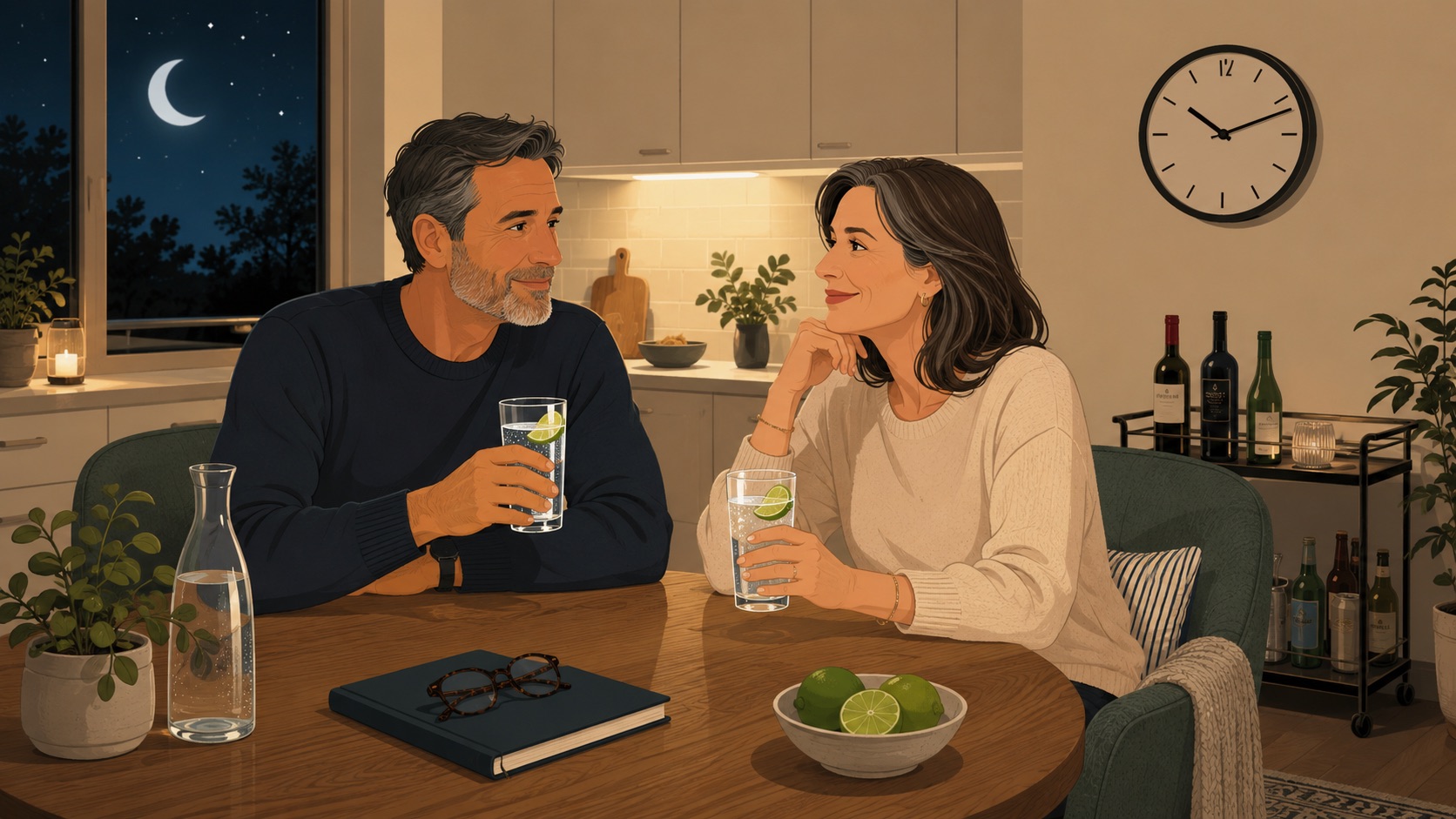
A surprising number of Gen Xers have quietly broken up with alcohol.
Not with a tearful announcement. Not with a twelve-part social media series. Not with a new wardrobe made entirely of linen and moral superiority.
They just stopped.
Or they cut way back.
Or they looked at a glass of wine on a Tuesday night and thought, Do I want this, or do I want to sleep through the night like a functioning mammal?
This is new territory for a generation raised in a world where drinking was not treated like a lifestyle choice. It was treated like furniture. It was just there.
Adults drank beer while mowing the lawn. They drank at cookouts, bowling alleys, weddings, divorces, softball games, office parties, lake weekends, Christmas Eve, and any event involving folding chairs.
If someone opened a cooler in 1987, nobody asked why.
They asked, “You got any more ice?”
Drinking Was Just What Adults Did
Gen X grew up watching adults drink the way we watched them smoke in restaurants, drive without seatbelts, and leave children unsupervised near bodies of water.
It was normal because everything dangerous was normal then.
Your dad had a beer after work. Your mom had a wine cooler. Your uncle had something in a brown glass bottle and opinions about unions. Nobody called it “self-care.” Nobody called it “coping.” Nobody called it anything.
It was just Thursday.
By the time we became adults, alcohol was baked into the operating system.
- Bad day at work? Have a drink.
- Good day at work? Have a drink.
- Kids driving you insane? Have a drink.
- Kids finally asleep? Have a drink.
- Vacation started? Drink.
- Vacation ended? Drink harder.
At some point, the drink stopped being a treat and became punctuation.
A period at the end of the day.
A comma between stress and sleep.
An exclamation point after pretending to enjoy a work function.
Then Middle Age Entered the Chat
Here is the rude part.
Alcohol used to borrow your body for a few hours and return it mostly intact.
In your twenties, you could drink questionable liquids from a plastic cup, sleep four hours, eat a breakfast sandwich wrapped in foil, and report to work looking almost human.
Now one glass of red wine after 8 p.m. turns into a full medical mystery.
You wake up at 3:17 a.m. with a dry mouth, a racing heart, and the spiritual energy of a haunted basement.
You check your phone. You drink water. You stare at the ceiling. You wonder why your shoulder hurts even though the most athletic thing you did was reach for the remote.
Then morning arrives and your face looks like it spent the night arguing with a pillow.
Welcome to middle age, where alcohol no longer whispers, “Have fun.”
It says, “Let’s ruin tomorrow.”
The Strange Relief of Stopping
What surprises a lot of people is not how hard it is to stop drinking.
It is how many annoying problems quietly leave with it.
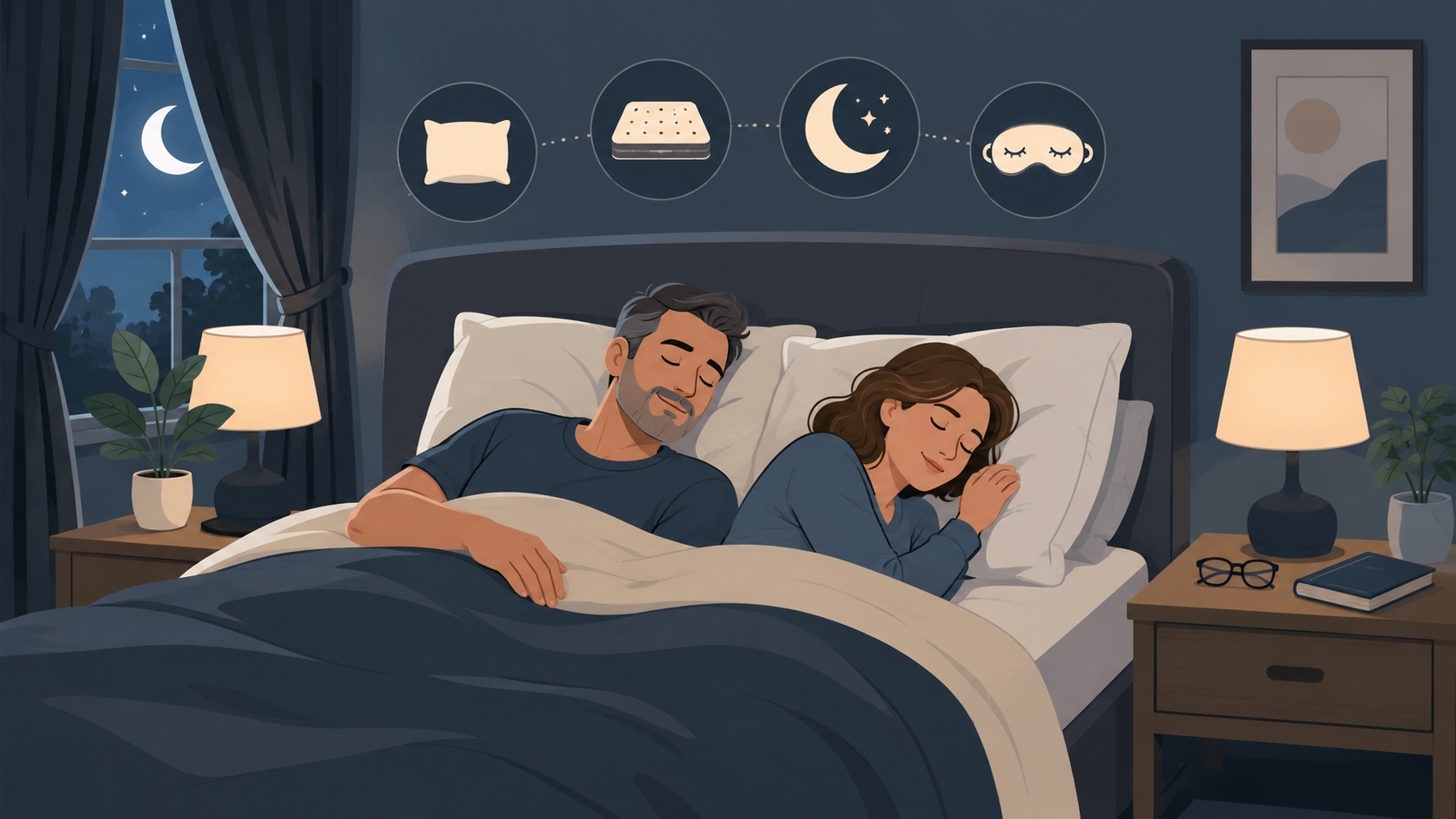
Sleep improves. Not perfect sleep. We are still middle-aged people with backs, bills, and bladders. But better sleep.
The morning fog lifts. The random anxiety gets less random. The heartburn packs a bag. The face looks less like a before photo for a basement waterproofing company.
And suddenly you start asking dangerous questions.
Was I tired because I was getting older, or because I was mildly poisoned every weekend?
Was I anxious because life is stressful, or because my nervous system was filing a complaint?
Was my body falling apart, or was it tired of processing margaritas like a municipal waste facility?
Nobody likes these questions.
Mostly because the answers are irritating.
Gen X Is Not Making a Big Production Out of It
This is where Gen X handles things differently.
We are not great at public transformation.
We do not need a personal brand built around sparkling water. We do not need to announce a “sober journey” every morning while filming ourselves opening curtains.
Most Gen Xers who are drinking less are doing it in the least dramatic way possible.
They order club soda with lime and move on with their lives.
They say, “I’m good,” when offered another beer.
They leave the party earlier.
They notice how loud bars are now, which is unfair because bars were always loud. We used to be part of the noise pollution.
There is no sermon.
No smug lecture.
No need to make everyone else uncomfortable.
Just a quiet calculation.
Is this drink worth tomorrow morning?
More often now, the answer is no.
The Social Part Gets Weird
Alcohol has always had a strange social contract.
If you drink, nobody asks questions.
If you do not drink, suddenly everyone becomes a detective.
“Are you doing a challenge?”
“Are you sick?”
“Are you on medication?”
“Are you judging me?”
No, Steve. Nobody is judging you. You are standing in cargo shorts explaining bourbon notes like a park ranger, but this is still America.
The truth is simple. A lot of people are not quitting because they hit some dramatic bottom. They are quitting because they are tired of feeling mediocre.
They are tired of losing Sundays.
They are tired of pretending two drinks is relaxing when the next day feels like being rebooted with a corrupted file.
They are tired of paying $15 for a cocktail named after an emotion.
The Rise of the Quiet Quitter
The new Gen X drinking trend is not flashy.
It is not anti-alcohol. It is not moral panic. It is not a crusade.
It is practical.
We are the generation of duct tape, paper maps, frozen pizza, and figuring things out without adult supervision. If something stops working, we eventually notice.
Alcohol stopped working for a lot of people.
Not all at once.
Not forever for everyone.
But enough for people to look around and say, “Maybe this is why I feel like a damp gym towel every morning.”
There is also something deeply Gen X about not needing applause for it.
We do not need a badge.
We do not need a dramatic identity shift.
We just want our sleep back.
And maybe our cheekbones.
Mocktails Are Having Their Moment, Unfortunately
The beverage industry noticed people were drinking less and responded the only way modern business knows how.
By charging twelve dollars for juice in a fancy glass.
Still, the nonalcoholic options are better now.
That part helps.
For years, not drinking at a restaurant meant choosing between tap water, soda, or iced tea strong enough to keep you awake until the next administration.
Now there are decent nonalcoholic beers, alcohol-free spirits, hop waters, botanical drinks, and mocktails that make you feel like an adult instead of someone waiting for a ride after soccer practice.
Is some of it overpriced? Absolutely.
But so was pretending tequila was a personality.
The Real Reckoning
The alcohol reckoning is not about shame.
It is about noticing.
Noticing your sleep.
Noticing your mood.
Noticing your patience.
Noticing how much of your weekend was spent recovering from your weekend.
That is the part that gets people.
You remove one “normal” habit and suddenly a few “normal” problems start disappearing.
Not every problem. Let’s not get carried away. Your knees still sound like someone stepping on cereal. Your inbox still exists. The world still expects you to remember passwords created during the Bush administration.
But some things improve.
And at this age, improvement counts.
Maybe We Were Not Aging as Badly as We Thought
Gen X has reached the age where every symptom gets blamed on aging.
Tired? Aging.
Bloated? Aging.
Moody? Aging.
Brain fog? Aging.
Waking up at 3 a.m. with the emotional stability of a raccoon in a trash can? Aging.
Maybe.
Or maybe some of us spent decades treating dehydration as a hobby.
Maybe the body was not betraying us.
Maybe it was sending a memo.
And because we are Gen X, we ignored the memo until it became a certified letter.
So now a lot of us are experimenting.
Less drinking. More sleep. Fewer lost mornings. More clarity. Less pretending that a hangover is “being tired.”
It is not glamorous.
It is not rebellious in the old way.
But it does feel like one more quiet Gen X correction.
We looked at a thing everyone told us was normal and said, “Maybe. But I’m tired of feeling like crap.”
Turns out some of what we thought was aging was just being dehydrated since 1987.



0 Comments